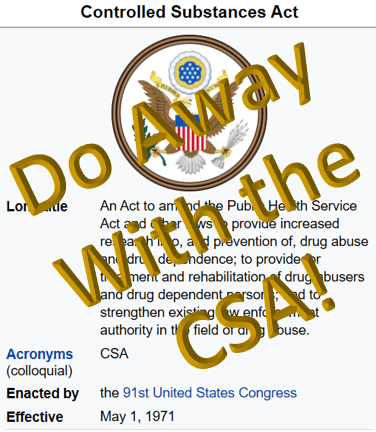
We must end the War on Drugs. To do that, the Controlled Substance Act and all related laws must be repealed and all drugs must be legalized. Even government officials are starting to recognize that fact, they just aren’t acting on it. Why? They are missing the most important reason—what I teach—that drugs are not the cause of addiction. So we have to get that information to them. Instead of griping and complaining, people need to learn the truth, and then share it. The focus now for me and Doctors of Courage is to share with you the facts of the effects of the War on Drugs, so you can effectively present to others why we need to repeal the CSA.
This post will be the first explaining the effects of the War on Drugs on the social aspects of the country. This is only the beginning. There will be more. Be sure and read them all as I present them, and share.
The War on Drugs has profoundly shaped the social landscape of America, perpetuating cycles of poverty, fueling racial and economic inequality, and transforming the criminal justice system in lasting, deeply harmful ways.
Exacerbating Inequality
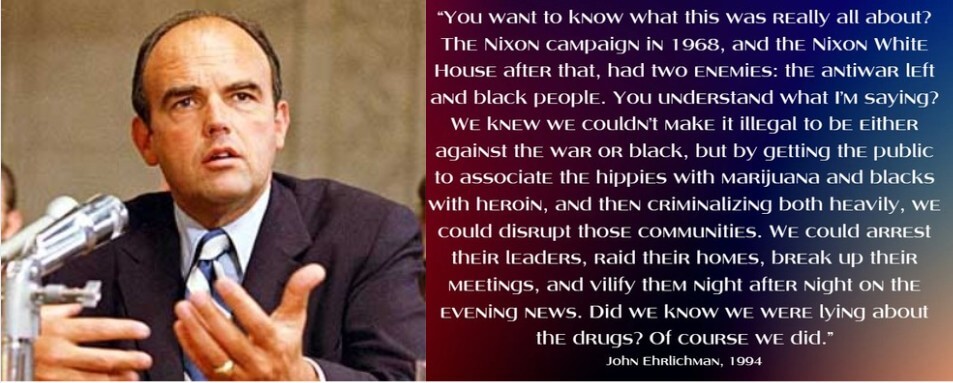
Far from alleviating poverty or delivering justice, the War on Drugs has acted as a catalyst for deeper social divides. Policies that prioritize punishment over treatment have disproportionately targeted Black and Latino communities, leading to mass incarceration and the disruption of families, livelihoods, and access to health and social services. The original intent, revealed by insiders such as President Nixon’s aide John Ehrlichman, was not simply to curb drug use but to suppress political opposition and communities of color. Over fifty years, the result has been a dramatic growth in the prison population, with people of color suffering the brunt of punitive practices, lengthy sentences, and overt policing.
Racial Targeting and Mass Incarceration
The racial bias built into drug law enforcement is evident throughout the spectrum of arrests, convictions, and sentencing. The infamous 100-to-1 sentencing disparity between crack and powder cocaine, and practices like racial profiling, led to exponential increases in arrests and convictions of Black youths, while arrest rates for White youths fell. Despite similar rates of drug use, Black Americans have been and continue to be imprisoned at far higher rates, often for nonviolent offenses. Even as some reforms have lowered sentencing disparities, racial gaps in arrests and drug convictions persist, with Black people consistently more likely than Whites to be arrested for marijuana possession and other drug crimes.
Erosion of Constitutional Protections
The War on Drugs ushered in aggressive policing tactics such as stop-and-frisk and widespread use of SWAT teams, disproportionately targeting minority neighborhoods and undermining constitutional rights. Judicial rulings and legislation weakened the Fourth Amendment, allowing officers to subject civilians to stops, searches, and humiliation with little oversight. These encounters often became sources of psychological, physical, and sexual violence, deepening mistrust and trauma in already vulnerable communities. Police resources shifted from responding to violent or property crimes to focusing on drug offenses—failing to protect those most at risk.
Poverty and Health Crises
For marginalized groups, especially subsistence farmers and urban poor, drug-related crop eradications and aggressive enforcement have destroyed means of survival, driving families further into poverty and away from vital social programs. The stigma of a criminal record inhibits access to work, housing, and healthcare, forming barriers that are nearly insurmountable for the poor and people of color. These cycles of exclusion amplify vulnerability and worsen outcomes for health, education, and family stability.
Violence and Broken Communities
Drug enforcement strategies have not only failed to meaningfully reduce the supply, price, or harm of illicit drugs, but have also empowered organized crime, driven up drug-related violence, and fueled health crises such as the government created “opioid crisis”. In 2020, synthetic opioids and methamphetamine fueled record overdose deaths, even as enforcement efforts intensified. The militarization of police combined with punitive sentencing has destabilized countless families, especially in Black and Latino neighborhoods, resulting in generational trauma and persistent socioeconomic disadvantage.
Calls for Change
Experts, advocacy groups, and international bodies now recognize the urgent need to shift from criminalization to harm reduction and public health-based policy. Countries that have embraced decriminalization and treatment over punishment report improved health and social outcomes without the feared surge in drug use. Piecemeal reforms have made modest progress, but advocates urge bold actions—restoring constitutional protections and moving decisively away from the failed punitive model.
Conclusion
The War on Drugs has failed to limit drug use or promote safety, instead inflicting immense social damage on American citizens—especially those most vulnerable to poverty, discrimination, and state violence. As mass incarceration, police brutality, fractured communities, and widening disparities continue, the need for comprehensive, health-based reforms grows ever more urgent. The pathway forward lies not in more punishment, but in building social policy that genuinely serves justice, equity, and human well-being.