
End the War on Drugs: Lower Healthcare costs
Repealing the Controlled Substances Act (CSA) and legalizing all drugs would cut U.S. healthcare costs by lowering insurance premiums, reducing expensive crisis care, and replacing the “drug war” model with evidence-based health care and safer, cheaper medicines.
Evidence from medical cannabis
States with medical cannabis laws see large, sustained reductions in individual-market health insurance premiums—about 1,600 dollars per person per year seven to nine years after implementation, compared with similar non-legal states.
New employer-plan analyses find premiums in medical cannabis states are about 3.4% lower, saving roughly 238 dollars per employee annually and projecting up to 29 billion dollars in yearly national savings if all states adopted medical programs.
These savings arise because medical cannabis broadens treatment options for pain, mental health, and nausea, substitutes for more dangerous prescription drugs, and lowers crime, hospitalizations, and substance use treatment needs.
How legalization lowers health system use
Substance use disorders now drive heavy use of high-cost care—hospitalizations, emergency visits, and recurrent readmissions—especially for illicit drugs, with per-person hospital costs for some illicit drug disorders exceeding 2,700 dollars annually.
Research shows moderate marijuana users have equal or lower hospitalization odds than abstainers, while the real cost burden concentrates in people with untreated or criminalized use of other illicit drugs, who face more frequent and longer hospital stays.
Legalizing and declassifying all drugs shifts resources from policing and incarceration into early screening, outpatient care, and treatment, which prevents crises instead of paying repeatedly for overdoses, infections, trauma, and readmissions.
Direct savings for patients and payers
When drugs are tightly scheduled, many patients must attend frequent office visits just to renew prescriptions (for ADHD medications, controlled pain medicines, or anxiety drugs), adding hundreds to thousands of dollars per year in visit charges and time costs. Legal access with fewer regulatory hurdles lets stable patients safely maintain therapy with fewer mandatory visits, freeing clinician time for prevention and complex care.
Legal access to alternatives reduces demand for costly prescription drugs across Medicaid and other payers. Prescriptions for pain, sleep, anxiety, seizures, and related conditions fall after recreational or medical cannabis access expands.
As aggregate medical spending drops (fewer hospitalizations, fewer prescriptions, fewer specialist visits), insurers lower premiums for everyone, not only drug users, because community rating spreads the savings across the entire risk pool.
From prohibition costs to health solutions
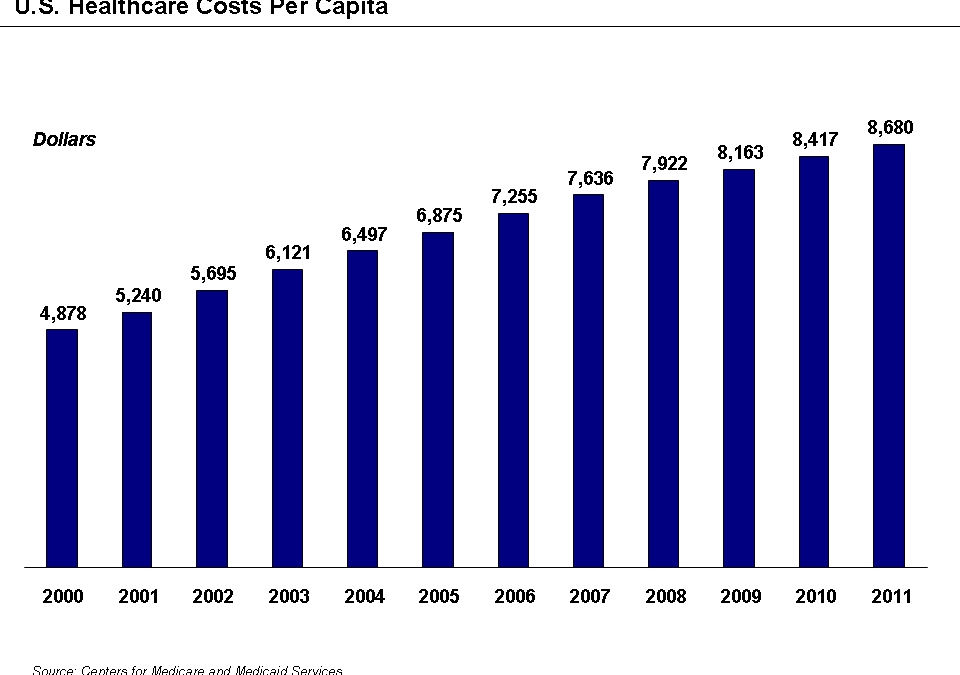
Health insurance premiums already account for the majority of household health spending, and national healthcare costs are rising faster than wages; even small percentage reductions in utilization translate into billions in savings.
The drug war model adds its own costs: criminal records that block employment and insurance, policing and incarceration that do nothing to treat addiction, and administrative surveillance (paper scripts, urine tests, prior authorizations) that consume provider time and drive billing overhead.
A health-centered framework—full drug legalization, repeal of the CSA, and integration of substance use care into primary care—removes many of these structural inefficiencies, replaces crisis-driven care with prevention and maintenance, and uses safer, cheaper medications where possible. The medical cannabis evidence shows that when even one formerly prohibited drug is normalized as a treatment option, health insurance premiums and system-wide costs fall; extending that logic to all drugs multiplies those savings while finally prioritizing health solutions over a failed drug war.
DR Linda Cheek I am sorry for what our government put you through. It must be truly shocking and disheartening to have your medical knowledge questioned by someone with less or no knowledge and unwilling to acknowledge they’re wrong. I lost a Dr to suicide years ago after he became disillusioned by the government’s interference in medicine. I applaud you for standing firm and fighting for what you know is right. Thank you for your voice and advocacy.
I’m 100% for medical marijuana. I believe a lot of drugs are fine if you use the “benefits outweigh the risks” application and apply this on an “individualized patient by patient” program. My fear for medical marijuana is the “big pharma” people becoming involved and sadly that’s not the way to go. I’m not sure repealing the CSA although I will say the government has certainly stepped into that and made a mess, ie: the issues surrounding the prescribing and manufacturing of opioids. I think a lot of this is about money.