
Women Contribute to Changing the Attack on Pain Management
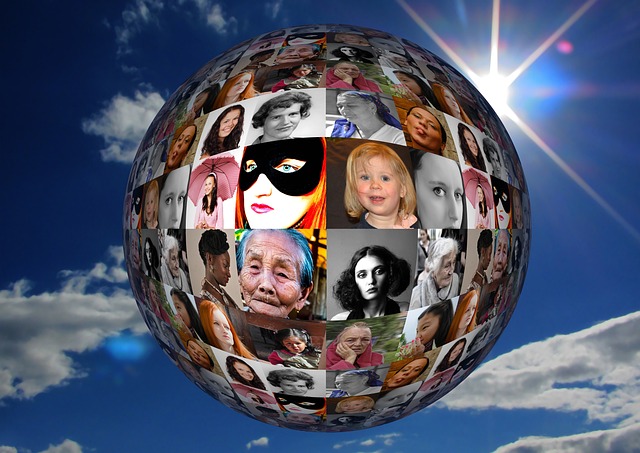
March is Women’s History Month. We need to recognize those contributing to the fight as well as those suffering from the government agenda.
During the month of March we will have this page for you to learn and use the information to communicate with your legislators. If you have anything to add, please send it to me through the Contact Us page.
What is Women’s History Month?:
Women’s History Month started with a week celebration of women in a school district in Sonoma, California in 1978. A few years later, the idea caught on within communities, school districts and organizations across the country. In 1980, President Jimmy Carter issued the first presidential proclamation declaring the week of March 8 as National Women’s History Week. The U.S. Congress followed suit the next year, passing a resolution establishing a national celebration. Six years later, the National Women’s History Project successfully petitioned Congress to expand the event to the entire month of March.
The idea of Women’s History Month is to celebrate the women who have fought for equality, justice, and civil rights within our nation.
International Women’s Day
International Women’s Day, a global celebration of the economic, political and social achievements of women, took place for the first time on March 8, 1911. Many countries around the world celebrate the holiday with demonstrations, educational initiatives and customs such as presenting women with gifts and flowers.
The United Nations has sponsored International Women’s Day since 1975. When adopting its resolution on the observance of International Women’s Day, the United Nations General Assembly cited the following reasons: “To recognize the fact that securing peace and social progress and the full enjoyment of human rights and fundamental freedoms require the active participation, equality and development of women; and to acknowledge the contribution of women to the strengthening of international peace and security.”
Examples of women in the past who have been recognized for their work:
- Sojourner Truth: Truth was an ardent abolitionist and women’s rights activist in the 1800’s.
- Jeannette Rankin: Speaking and lobbying for women’s suffrage, she was the first woman elected to Congress in 1916
- Rosa Parks: Helped initiate the civil rights movement in the US when she refused to give up her seat on a bus to a white man.
- Harriet Tubman: A leading abolitionist, she led hundreds of enslaved people to freedom along the route of the Underground Railroad.
- Susan B. Anthony: champion of the women’s suffrage movement, abolition, and the rights of labor.
Although women have made progress, there are still areas where women face obstacles because of their gender or were passed over for recognition. Some of those are:
- Sybil Ludington, The Female Paul Revere: On the night of April 26, 1777, 16-year-old Sybil Ludington rode nearly 40 miles to warn some 400 militiamen that the British troops were coming. Ludington was less than half Revere’s age and rode more than twice as far to carry her warning. She did receive a personal “Thank you.” From General George Washington and was honored with a postal stamp in 1975.
- Claudette Colvin: On March 2, 1955, Claudette Colvin refused to move for a white passenger—nine months before Rosa Parks would do the same.
- Rosalind Franklin: Revealed DNA’s Structure, while Watson & Crick received credit. She also created the foundation of modern virology.
These are just a few. The problem is, females just aren’t recognized with the same authority as males. It’s a shame, but it is a fact, and it needs to change.
Communication Tools
This year’s theme is “Celebrating Women Who Tell Our Stories,” a theme that honors women in every community who have devoted their lives and talents to producing art and news, pursuing truth, and reflecting society decade after decade.
So what can you do to help level the playing field?
How can we celebrate women on our platform?
We need your stories. Please tell your story and send it to us, allow us to make it public here. Then use this month to communicate with your legislators how women are being gaslighted by the medical profession. Our pain and diseases need to be recognized and treated.
Does anyone have a list of women who have died because of the lack of pain management? We could post a list. Also, any women who have been working to end the attacks. If you want to recognize anyone, send it to me.
Six Actions to Support Women
1. Explore the history of women’s rights.
Women’s History Milestones: A Timeline
2. Be aware of issues women still face today.
3. Post on social media to spread awareness of Women’s History Month.
Share articles, infographics, inspiring quotes, videos, and other women-centric content on your social media.
4. Write a thank you note to a woman that inspires you.
A few simple words to acknowledge how another woman has inspired you can mean a lot to her. Maybe they’re a role model or a friend or family member who helped you through a tough time. Maybe you just admire certain qualities about them and don’t say so enough. A show of gratitude is a meaningful gesture.
5. Write yourself a love note.
While you’re at it, spare a few words of praise for yourself! Women are often our own best critics. Try writing down the things you love about yourself; you deserve to be celebrated!
6. Participate in political advocacy.
Even though women’s rights have come a long way, there’s still plenty of work to do to level the playing field and make sure women and girls have the opportunity to succeed. Pick a topic that matters to you and write or call your representatives to voice your concerns. Share the emails, FB and twitter posts that we share on this page for equality in pain management.
Information that can be used to message to legislators
Rather than write a letter and share, I’m going to share the information that I use to write my letter. So below you will find single sentences, paragraphs, ideas, etc. Then you take the sentences you want to use, put them together in a brief, single page email to send to the legislators.
For general population, the list of representatives can be found HERE. The group of all minority physicians can be found HERE. There are now 132 minority legislators, and we should be able to teach them enough to create change and get the Controlled Substance Act repealed. Then to get their contact information, you can go to their individual websites.
For supporters of doctorsofcourage, you will find the spreadsheets with all of the contact links on the membership site. Then you just have to click the link and paste the message. I’m able to send to around 200 in 1 hour. Be careful, though, with twitter. Keep under 100 at a time, and wait a couple of hours or they will block you for 8 hours.
Information to use in your letters:
In 1994, Richard Nixon’s domestic policy advisor John Ehrlichman revealed that the “War on Drugs” had begun as a racially motivated crusade to criminalize Blacks and the anti-war left.
“We knew we couldn’t make it illegal to be either against the war or blacks, but by getting the public to associate the hippies with marijuana and blacks with heroin and then criminalizing them both heavily, we could disrupt those communities. We could arrest their leaders, raid their homes, break up their meetings, and vilify them night after night in the evening news. Did we know we were lying about the drugs? Of course we did,” Ehrlichman said.
Mass incarceration, the gradual progeny of a number of congressional bills, made it so much easier. Most notably, the 1984 Comprehensive Crime Control and Safe Streets Act eliminated parole in the federal system. Then the 1986 Anti-Drug Abuse Act established mandatory minimum sentencing schemes, including the infamous 100-to-1 ratio between crack and powder cocaine sentences. Its expansion in 1988 added an overly broad definition of conspiracy to the mix. These laws flooded the federal system with people convicted of low-level and nonviolent drug offenses.
The prevailing narrative at the time was “tough on crime.” It was the same narrative that brought about the crack–powder cocaine disparity, supported the transfer of youth to adult courts, and popularized the myth of the Black man as a “superpredator.”
This led to the proliferation of mandatory minimum sentences, unnecessarily lengthy prison terms, even life, that snatched parents from children and loved ones, destabilizing families and communities. Such punishments should offend our society’s standard of decency.
Supreme Court rulings in the past basically stated that yes, systemic racism exists, but because that is the norm, it is therefore constitutional.
Since the late 1980s, a combination of federal law enforcement policies, prosecutorial practices, and legislation resulted in Black people being disproportionately arrested, convicted, and imprisoned.
There must be an end to the racist policies the War on Drugs brought us. We must not be content with piecemeal reform and baby-step progress. Indeed, rather than steps, it is time for leaps and bounds. You must accept the fact that the War on Drugs was designed to be used against minorities.
The plain fact is that the drug war hysteria has become an engine for the restoration of Jim Crow justice in this country,
It is important to talk about the federal DEA training program because many public officials who can no longer deny the fact of racial profiling would like us to believe it is the work of rogue cops. No, we are not talking about rogue cops. We are talking about rogue policy. We are talking about rogue leadership. We are talking about a national policy which is training police all over this country to use traffic violations as an excuse to stop and search people with dark skin. They’re not interested in that when they stop you for those violations. The traffic stops are used as a pretext to look into the car and, one way or another, to obtain your consent to search for drugs,
Nor is this just about highways. In body searches by immigration officials at customs checkpoints ranging from hand frisks to cavity searches and strip searches, 96 percent were fruitless: nothing illegal was found. And the selection was not based on evidence. Two-thirds of the people selected for those body searches were black and Latino. That is policy.
On the streets of our cities, people are stopped for so-called Terry frisks. So-called because their legality is based on a Supreme Court case names Terry v. Ohio, in which the Court ruled that it was constitutional for the police, without a warrant and without the normal evidentiary threshold of probable cause, to stop and frisk people they believe may be packing a gun. They’re supposed to have at least reasonable suspicion that the person they stopped and frisked has a gun. But the reasonable suspicion often turns out to be that you’re black, you’re Latino, and you’re young. Or that you’re walking in a neighborhood you shouldn’t be in, which is to say, not the ghetto. This feeds into the persistent prejudice in peoples’ minds, created by government disinformation for decades that, in fact, most blacks and most Latinos do carry drugs and are drug dealers.
Criminal prohibition of drugs, which is a relatively recent experiment in this country’s history, dating back to the early 20th Century, is profoundly wrong in principle.
On the most basic level, the government ought to have no legitimate power to intrude into anyone’s personal life for things that they do, things that they eat, things that they drink, that may harm themselves. It also is not warranted to threaten me with jail in order to force me into low-cholesterol treatment. And, above all, it is not warranted to arrest and imprison somebody else who eats red meat and ice cream moderately and without danger, because I do so abusively and excessively.
Even with respect to alcohol and tobacco, that principle is plain to most Americans. There are 15 million alcoholics in this country whose lives are in disarray, and which disarray affects the lives of people close to them. But that does not lead to government authority to put those people in jail for their own good. And it especially does not lead to putting people in jail who have a glass of red wine at night because somebody else is drinking a quart of vodka every morning.
Tobacco. Compulsive use of tobacco is infinitely more dangerous than even the compulsive use, much less the moderate use, of a drug like marijuana. But not even the most fierce opponents of tobacco has yet suggested putting people in jail for using it. Nor does anyone suggest using prison as a club to force tobacco users into treatment, and certainly nobody suggests arresting moderate users of tobacco or alcohol for possession of these drugs because somebody else is abusing them.
If anybody tried to suggest such measures in this country, they would be laughed at even within this Congress, this White House, this Department of Justice. So why are we doing precisely that with drugs?
In 1859, John Stewart Mill offered this advice to free societies: He said “one very simple principle to govern absolutely the dealings of society with the individual in the way of compulsion and control. That the only purpose for which power can be rightfully exercised over any member of the civilized community against his will is to prevent harm to others. His own good, either physical or moral, is not a sufficient warrant. He cannot rightfully be compelled to do so or forbear because it will be better for him to do so, because it will make him happier, because in the opinions of others to do so would be wise or even right. There are good reasons for remonstrating with him or reasoning with him, in persuading him or entreating him, but not for compelling him. Mankind are greater gainers by suffering each other to live as seems good to themselves than by compelling each to live as seems good to the rest.”
We must look at real-world consequences of the drug war. To place that kind of power in the police of any state invites the sort of racial subjugation that drug prohibition has become. Racial profiling on our highways is not, by itself, the issue. Racial profiling is, in fact, part of a larger system of racial subjugation and separation. And that larger system is called drug prohibition.
Drug prohibition has been with us for 100+ years. The early 1900’s was a period in which warped phrases like the yellow peril became popular, in which opium dens, like crackhouses today, were used to whip up an anti-Asian, anti-Chinese sentiment.
It was a period when cocaine-crazed Negroes were said to be threatening the sexual safety of white women. This was the atmosphere in which drug prohibition was initially passed. Once drug prohibition was established, things got steadily worse. Between 1914, when the Harrison Act was passed, and 1970, 55 federal laws and hundreds of state laws were passed making the possession and the sale, the buying and the selling of drugs for personal use a crime.
Over all those years prohibition had demonstrably not worked. It did not make drugs less available. It did not interdict drugs sufficiently to suppress supply. It did not make drugs safer. It did not make drug use safer, and it did not decrease the number of people using drugs. Quite the opposite. Just like during prohibition, when moonshine thrived and people died drinking wood alcohol, drugs have become more potent, more deadly, and more available through the black market.
President Biden, in his state of the union address, mentioned stopping illicit drugs entering the country. But that is impossible. And unnecessary once we understand the futility and wrongfulness of our drug prohibition era.
In other words, the system designed to reduce drug availability and to interfere with the marketing of drugs demonstrably had not accomplished either purpose. Despite that, in New York, in 1973, Governor Nelson Rockefeller decided that the failure of these tough laws was that they weren’t tough enough. And he introduced what came to be known as the Rockefeller Drug Laws, which created draconian mandatory minimum sentences, and helped legitimize the notion of mandatory minimums that plague us today and are responsible for the escalation of incarceration in this country. Mandatory minimums were brought to us, courtesy of the drug war.
The idea was that now we’re really going to get tough. Now if you were caught with even a particle of a forbidden substance, you were going to go away for 15 or 20 years, and no judge could use discretion to vary that sentence.
There were other wonderful effects of the Rockefeller Drug Laws. Because these harsh laws only applied to adults, and not juveniles, they managed to accelerate the use of young people into the fine art of trafficking drugs.
As of January 2023, the incarceration rate of the United States is the sixth highest in the world, at 505 per 100,000 people. While the United States represents about 4.2 percent of the world’s population,[3] it houses around 20 percent of the world’s prisoners.
Pervasive racial targeting provides another peculiarly U.S. stamp to the drug war. We are incarcerating black men at a rate approximately four times the rate of incarceration of black men in South Africa under apartheid. Prisons are used for slave labor in private industry. The number of black men in prison today is more than the number of men enslaved in 1820. Now, it is prisons that deprive black men of their freedom. For black men between the ages of 20 and 29, almost one in three are currently under the thumb of the criminal justice system.
The caustic effect of punitive drug policies has slowly eroded the cornerstone of U.S. democracy. It is no surprise that the court cases that have most destroyed the Bill of Rights, methodically abridging freedom of religion, freedom of speech, freedom from unreasonable searches and seizures, and property rights, have centered on fear of drugs.
The war on drugs has similarly decimated the Fourth Amendment, a measure intended to limit the power of law enforcement to search and arrest. Unlike other crimes, drug offenses do not typically have complaining witnesses, people who come forward to request police assistance. The parties are mostly consenting participants who likely wish to hide their drug activity. In order to unearth drug crimes, the police resort to wiretapping, surveillance, peering through private windows, flying over houses, undercover operations, bribery of informants, entrapment by offering to buy or sell drugs, and countless other shady or corrupting police practices. Businesses, schools and government agencies have increasingly required intrusive drug tests. For example, until the ACLU brought suit to stop it, Michigan forced all welfare recipients to submit to urine drug tests regardless of suspicion.8 Schools across the nation have sought to drug-test students, threatening to create a broad doctrine of treating students as second class citizens under the Constitution.9
Property rights, once sacred in the United States, have also been sacrificed to the war on drugs under the strange fiction that property could be “”guilty.”” All assets suspected of “”participating”” in a crime can be seized and sold, with the profits flowing to law enforcement budgets. The burden of proof for demonstrating the property’s innocence falls upon the rightful owner. Often without even accusing any individual person of a crime, the police confiscate the homes of innocent people rumored to have some relative who uses drugs; they seize the money of unsuspecting bystanders whose only crime is to carry an unusual amount of cash (“”only drug dealers do that””); and they have gunned down property owners standing in the way of the quest for attractive assets. Beyond the deeply arbitrary process, asset forfeiture poses a deeper threat. A significant part of drug enforcement efforts has shifted from prosecuting drug crime to seizing property.
Of all the constitutional depredations of the war on drugs, one stands out for its continuing damage to democracy: the disenfranchisement of former felons. The United States is the only democracy in the world to deprive its citizens of the right to vote after they have completed their sentences. Coupled with the unprecedented rate of incarceration, disenfranchisement laws fundamentally restructure political power and entrench the politicians who support and benefit from drug war policies. In the states with the most widespread and lasting loss of voting rights, harsh drug laws find particularly solid political support.
The right to vote did not exist for slaves. As of 2020, an estimated 5.17 million people are disenfranchised due to a felony conviction.
The war on drugs subjects the United States to much of the same harm, with much of the same economic and ideological underpinnings, as slavery itself. Much of society sits idly by, accepting the rhetoric that later will seem so unbelievably corrupt. We will one day understand that the war on drugs was a war on people and communities.
And there are many more racial dimensions of the drug war. Blacks do not use drugs more than white people; whites and blacks use drugs at almost exactly the same rates. In fact, the most common drug user is a 25ish year old white female. And since there are five times as many whites as blacks in the United States, it follows that the overwhelming majority of drug users are white. Nevertheless, African-Americans are admitted to state prisons at a rate that is 13.4 times greater than whites, a disparity driven largely by the grossly racial targeting of drug laws.
In yet another instance of the drug wars’ methodical reproduction of the constitutive elements of slavery, disproportionate numbers of black women have lost or stand to lose their children. Some parents, both men and women, have lost custody of their children for being on legitimate pain medicine.
The undercutting of free labor, so central to slavery, plays a similarly powerful role in driving the expansion of drug war prisons. Inmates are paid a pittance, as little as 5 cents an hour. Much ordinary labor is increasingly being transferred to prisons, many of them privatized prisons- or should we say plantations?
Here lies the new Civil Rights Movement. As in a nightmare it revisits the same issue civil rights activists faced in the 1960s when fighting Jim Crow, the same issues abolitionists faced in the nineteenth century. It is the original sin of the United States that the “”Founding Fathers”” sanctioned slavery and enshrined racism in the Constitution in the form of the three-fifths compromise. And with each generation Americans become uncomfortable with this legacy of racism. We chronically disavow the sin, distancing ourselves from the old, discredited form of racism. We denounce it. We say we have finally healed ourselves. But yet, as with the figure of original sin, it rises back up to the surface, and today takes form as the war on drugs. We must recognize it and call it by its true name. It is the U.S. apartheid, the new Jim Crow.
Benefits of repealing the Controlled Substance Act:
- Reduce the expense of incarceration of citizens and the poverty of their families on the taxpayer.
- Reduce the taxpayer expense of chasing the rabbit of drug addiction treatment.
- Reduce the taxpayer expense of defunct agencies.
- End the border problem, as people would not have to leave their country to escape the cartels, and they could raise and sell the natural herbal products for sale to the legal industry.
Facts to know and pass on
- Drugs are not the cause of addiction. Addiction is caused by toxicity in the body through lifestyle.
- Addiction can be cured with non-pharmaceutical treatment and lifestyle changes.
For more information, visit www.doctorsofcourage.org/videos/ and watch The REAL Cause of Drug Abuse.
Emails, Facebook and Twitter posts to legislators
General introductory email:
We, Doctors and Patients of Courage, represent the 100 million Americans who have legitimate pain or the doctors who are trying to treat them. We are looking for legislators—of which you could be one—who will put the country’s interest over his/her own. As a newly-elected representative, we would like to help you understand a major problem the government has caused. We are asking you to help fix the ignorance of the government and the standard jumping into a quagmire of ineffective solutions that they are so good at creating. The problem, as we see it, is one of money. More money is being spent than is being recovered, but the organizations recovering the money spread the lies and throw the blame on others, to justify their own existence.
We are throwing money away because of a government-created, fake “crisis” with the only intent of making money for special interest law enforcement groups and agencies. Read Ronald Libby’s masterpiece “The Criminalization of Medicine” and learn the history of what you have walked into. Learn the truth on www.doctorsofcourage.org. The government is
actually creating addiction by the increased anxiety of legitimate patients who need legitimate medicines to maintain a quality of life. We can give you the information on how government ignorance and mishandling of the facts is actually creating the problem you are attempting to control, and won’t with your current methods. The centuries-old percentage of addiction has always been 1%. It was 1% when the fake government agencies decided to criminalize the legitimate use of opioids in the 1990’s. It is now climbing (slightly, to 1.3%) due to government-created anxiety (the #1 acidifier of the body) in legitimate patients now being tortured with lack of treatment.
Please become a supporter of stopping this never-ending waste of taxpayer’s money. Learn what WILL work. Stop destroying the lives of 33% of the citizens over the 1% that you aren’t helping anyway. Learn how you can help be learning the REAL cause of Addiction and Drug Abuse, which can be seen on a video on https://www.doctorsofcourage.org/videos/.
Linda Cheek, MD, the president of Doctors of Courage, is happy to speak to any group that would like to get together to work on what will really solve the problem. Her website is www.lindacheekmd.com
Respectfully,
FB post:
The country needs a legislator—maybe you—who puts the country’s interest over his/her own. We are throwing money away because of a government-created, fake “crisis” with the only intent of making money for special interest law enforcement groups and agencies. Read Ronald Libby’s masterpiece “The Criminalization of Medicine” and learn the history of what you have walked into. Learn the truth on www.doctorsofcourage.org. The government is actually creating addiction by the increased anxiety of legitimate patients who need legitimate medicines to maintain a quality of life. We can give you the information on how government ignorance and mishandling of the facts is actually creating the problem you are attempting to control, and won’t with your current methods. The centuries-old percentage of addiction has always been 1%. It was 1% when the fake government agencies decided to criminalize the legitimate use of opioids in the 1990’s. It is now climbing (slightly, to 1.3%) due to government-created anxiety (the #1 acidifier of the body) in legitimate patients now being tortured with lack of treatment.
Please become a supporter of stopping this never-ending waste of taxpayer’s money. Learn what WILL work. Stop destroying the lives of 33% of the citizens over the 1% that you aren’t helping anyway. Learn how you can help be learning the REAL cause of Addiction and Drug Abuse, which can be seen on a video on https://www.doctorsofcourage.org/videos/. Linda Cheek, MD, the president of Doctors of Courage, can speak to any group to work on what will really solve the problem. Her website is: www.lindacheekmd.com
Tweet:
Needed: decrease the deficit and stop attacks on citizens by rogue agencies supporting themselves with US tax dollars. For the truth about the fake, government-created “opioid crisis”, go to www.doctorsofcourage.org. Stop
throwing money down a bottomless pit.
Women's stories of gaslighting (to be written)
To be written
Women's stories of pain (to be written)
To be written

An example of female medical professionals who have had their lives ruined by the US government using the Controlled Substance Act illegally.

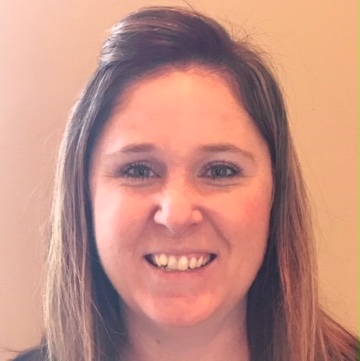
Amanda Leche, PA
Greenville, SC
Indicted Oct, 2018
Still waiting for conclusion
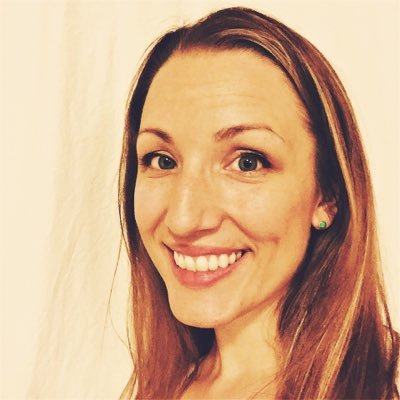
Amy Pearson, MD
Richmond Hill, GA
Arrested Oct, 2018
Indicted Dec, 2018
Still waiting for conclusion
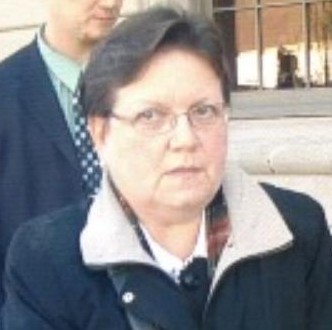
Anita Dawson, DO
Milton, WV
Plea Jan, 2013
Sentenced to 2 years

Barbara Lang, Owner
Chattanooga, TN
Convicted Jan, 2015
Sentenced to 280 yr
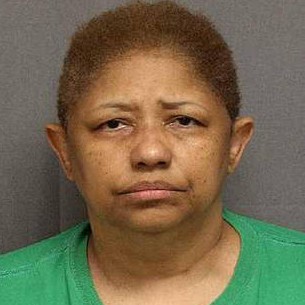
Brenda Banks, MD
Columbus, OH
Arrested Jan, 2o12
Convicted 2012
Sentenced to 48 months

Celia Lloyd-Turner, MD
Toney, AL
Indicted April, 2019
Plea Feb, 2020
Sentenced to 2 yr home confinement
Carol Jessop, MD
Oakland, CA
Indicted July, 2015
Still waiting on conclusion

Corinne Basch, MD
Arcata, CA
BOM attack May, 2019
Agreement with Board of Medicine
35 month probation
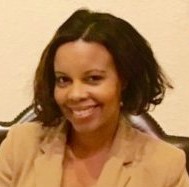
Cynthia Cadet, MD
Parkland, FL
Indicted Aug, 2011
Convicted July, 2013
Sentenced to 6 1/2 yr
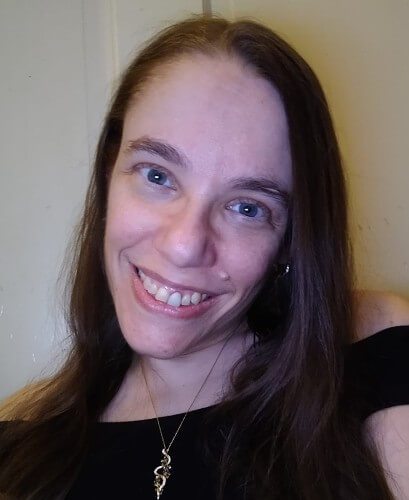
Elizabeth Korcz, MD
Hoover, AL
Arrested Aug, 2017
Plea Dec, 2020
Sentenced to 4 yr 4 mo
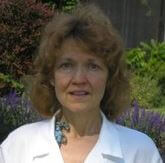
Freeda Flynn, MD
Saint Clairsville, OH
Indicted Sept, 2019
Convicted Jan, 2023

Hsiu-Ying Tseng, DO
Rowland Heights, CA
Convicted Oct, 2015
Sentenced to 30 yr
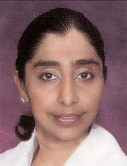
Jayam Krishna Iyer, MD
Clearwater, FL
Plea Sept, 2018
Sentenced to 6 mo
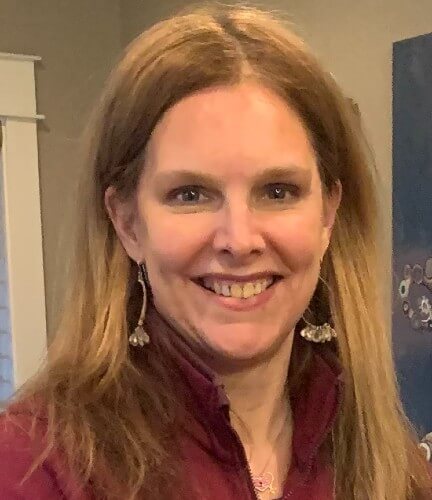
Jessica J. Spayd, FNP
Eagle River, AK
Arrested Oct, 2019
Convicted Oct, 2022
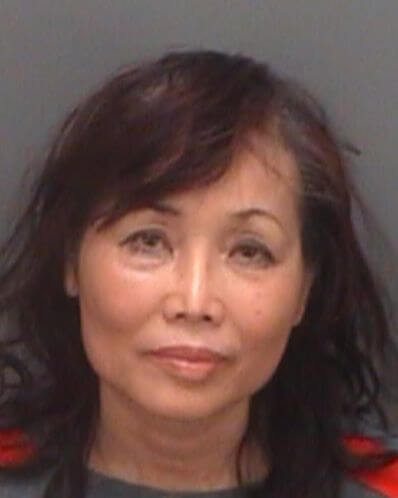
Kim Feldman, wife of MD
Tampa, FL
Indicted Dec, 2014
Convicted Feb, 2016
Sentenced to 4 yr

Kristen Holland, Pharmacist
Little Rock, AR
Arrested May, 2015
Still waiting for conclusion
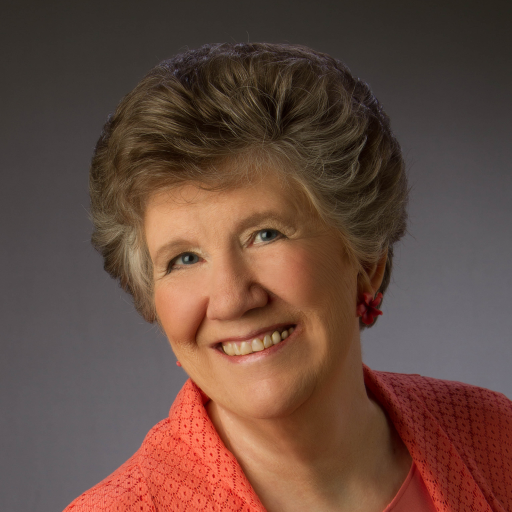
Linda Cheek, MD
Dublin, VA
Indicted June, 2012
Convicted Feb, 2013
Sentenced to 33 mo
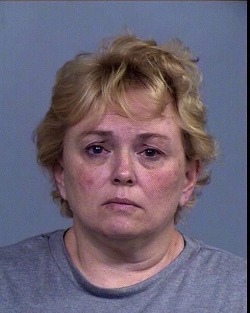
Lyn Kahn, wife of MD
Casper, WY
Indicted Jan, 2017
Plea April, 2019
Sentenced to Time served
Madhu Aggarwal, MD
Weirton, WV
Plea July, 2018
Sentenced to 6 mo home detention
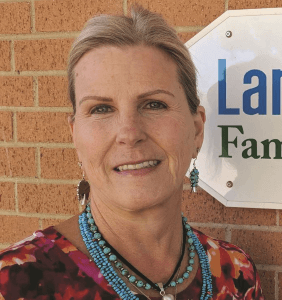
Margaret Easley, NP
Lander, WY
Indicted July, 2018
Plea Oct 2019
Sentenced to 1 year probation
Marie Nazaire, PA
Brooklyn, NY
Indicted 2017
Still waiting for conclusion
Merideth Norris, DO
Kennebunk, ME
Arrested Oct, 2022
Melanie Mencer-Parks, MD
Houston, T
Arrested Aug, 2016
Plea Nov, 2016
Sentenced to 1 yr 1day

Qing Lu McGaha, MD
Clearwater, FL
Indicted Jan, 2022
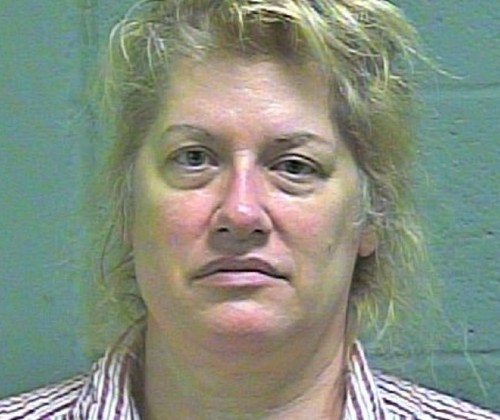
Regan Nichols, DO
Midwest City, OK
Arrested June, 2017
Convicted April, 2021
Sentenced to 7 yr
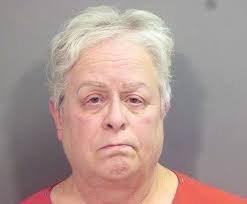
Robin Cox, DO
Rodgers, AR
Indicted Oct, 2019
Plea May, 2020
Sentenced to 3 yr
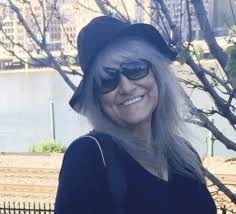
Roz Sugarmann
Allison Park, PA
Indicted April, 2016
Plea Dec, 2016
Sentenced to 1 yr & 1 day

Ruth D. Jones, MD
Johnstown, PA
Plea Nov, 2019
Sentenced to 2 yr probation

Sandra Kincaid, owner
Maryville, TN
Raided 2010
Convicted Oct, 2013
Sentenced to 39 yr

Stephanie Tarapchak, DO
Ashland, PA
Convicted Oct, 2015
Sentenced to 7.5-15 yrs
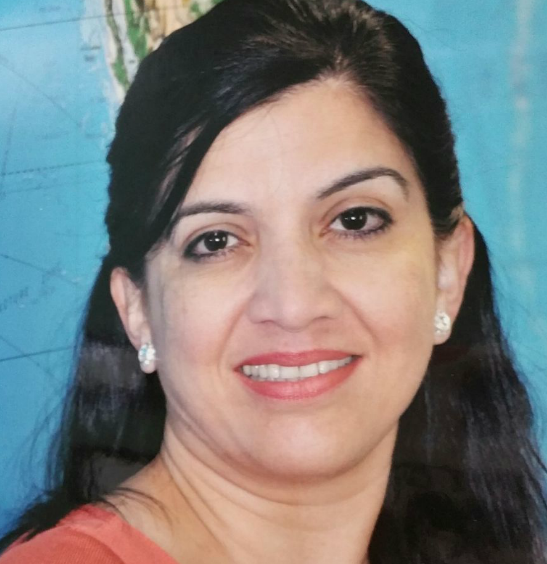
Suwarna Tilak, MD
Jacksonville, FL
Raid, Oct, 2017
Settled Sept, 2018
Financial reimbursement
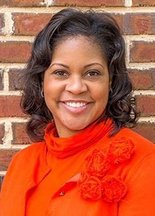
TaShawna Stokes, MD
Kennesaw, GA
Indicted July, 2015
Husband Incarcerated.
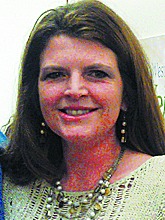
Tressie Duffy, MD
Martinsburg, WV
Indicted Sept, 2014
Convicted June, 2016
Sentenced to 1 yr + 1 day
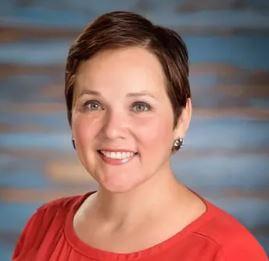
Vivian M. Herrero, MD
Dunedin, FL
Indicted Oct, 2022
The ladies below are ones I don’t have pictures of, but have been attacked. For more detailed information on them, go to Professionals Attacked under Victims on the Menu
| Abreu, Vanja | FL-Miami |
| Ajrawat, Sukhveen Kaur | MD-Potomac |
| Akremi, Janet | MO-Boonville |
| Akwuba, Lillian | AL-Montgomery |
| Almanza, Eklis | FL-Hialeah |
| Altman, Maureen | FL-Tampa |
| Amedome, Enna | TX-Spring |
| Anderson, Natalie A. | GA-Brunswick |
| Antle, Dawn | IN-Jeffersonville |
| Arnold, Janet | WA-Richland |
| Askari, Nevorn | GA-Monroe |
| Atkins, Tara | GA-Cartersville |
| Averill, Lynn | FL-Pompano Beach |
| Avery-Kelly, Arnita | GA-Decatur |
| Bailey, Heather | PA-Exeter Township |
| Baker, Yvette | DE-Dover |
| Bangura, Luella | IN-Carmel |
| Barbuto, Tina | FL-Boca Raton |
| Barker, Sara | TX-Carrizo Springs |
| Barnes, Shanta | LA-Baton Rouge |
| Barnett, Sherry L. | TN-Jonesborough |
| Berlin, Monica Ann | CA-Del Mar |
| Berry, Kristy | KY-Paintsville |
| Bethencourt, Megaly S | FL-Miami |
| Biggs, Carol | GA-Valdosta |
| Biggs, Nilaja | GA-Valdosta |
| Blake, Faith | TN-Chattanooga |
| Bolles, Olivia | FL-Tampa (Dr. in Delaware) |
| Bond, Mary Ann | TN-Bells |
| Bordeaux, Deborah | SC-Myrtle Beach |
| Bozer, Amanda | FL-Broward |
| Brown, Loretta | PA-Landsowne |
| Brown, Tayjha | PA-Coatesville |
| Bruce, Barbara A. | LA-New Orleans |
| Bryan, Lauran | MI-Detroit |
| Burgess, Arduth | MI-Mason |
| Byrd, Vanessa | AR-Little Rock |
| Camara, Yolanda | FL-Brandon |
| Cannata, Rosetta V. | FL-Osprey |
| Cantrell, Tammy | KY-Paintsville |
| Caraceni, Leslie | MA-Worcester |
| Carman, Toni | OH-Willoughby |
| Carreras, Candace A | FL-Boca Raton |
| Carter, Beth | MI-Southfield |
| Carter, Betty Jo | FL-Ruskin |
| Cearns, Donna | AR-Little Rock |
| Chai, Christina | NY-Yonkers |
| Chavarin, Mona Alicia | CA-Fresno |
| Chettiar, Janaki | |
| Ciamacco, Felicia | OH-New Albany |
| Clardy, Christina | TX-Houston |
| Clark, Amanda | WV-Martinsburg |
| Clark, Monica Raynette | VA-Woodbridge |
| Cleggett, Jacqueline | LA-New Orleans |
| Clemons, Clarisse | NY-Rockville Centre |
| Clemons, Cynthia | TN-Knoxville |
| Climer, Karen | OH-Alexandria |
| Colasante, Ona | FL-Gainesville |
| Colbert, Tracie | WV-Martinsburg |
| Collier, Serissa L | KY-Pikeville |
| Collins, Christina | TN-Knoxville |
| Columbus, Lynne C. | FL-Clearwater |
| Conner, Odean | AL-Gadsden |
| Connolly, Christine Ann | CO-Littleton |
| Cordes, Jamie Chiles | TN-Maryville |
| Cortez, Debra | PA-Bristol |
| Craig, Gazelle | TX-Houston |
| Cronier, Elizabeth | AL-Montgomery |
| Cullins, Suzette | LA-New Orleans |
| Daniels, Toni | CA-Oakland |
| Dateshidze, Jane | NJ-Medford |
| Davis, Schara Monique | AL-Huntsville |
| Davtyan, Anush | CA-Reseda |
| Dawson, Anita | WV-Milton |
| Dela Cruz, Fanny | MI-Livonia |
| Deloach, Betty | LA-Shreveport |
| Demille, Julie Ann | OR-Portland |
| Devalle, Stacey | PA-Exeter Township |
| Dickenson, Eva | MD-Delaware |
| Dismukes, Jennifer | OK-western |
| Donald, Felicia | VA-Alexandria |
| Dossey, Katherine | OK-Beggs |
| Drust, Susan | MI-North Shore |
| Dunn, Cindy Louise Hyche | AL-Moody |
| Duong, Khanh Van Kim | FL-Broward |
| Easley, Margaret | WY-Lander |
| Echarri, Maria | FL-Miami |
| Edwards, Joyce | MD-Largo |
| Egbuniwe, Azuka | OK-Texoma |
| Ehtesham, Uzma | VA-Norton |
| Eicher, Mary Jane | FL-St. Petersburg |
| Ellis, Jeri Lynn | OK-Shawnee |
| Emerson, Teresa | VA-Chilhowie |
| Ennis, Evelyne | GA-Gray |
| Escobar, Ereida A. | VA-Arlington |
| Esponda, Tamara | FL-Hialeah |
| Essian, Adeline | FL-Broward |
| Esslinger, Nancy | PA-Upper Chichester |
| Evans, Jessica | FL-St. Petersburg |
| Fanopoulos, Jennifer | ID-Meridian |
| Farrell, Jennifer | CT-New Haven |
| Fetzer, Sherry Ann | TN-Maryville |
| Fisher, Ardella | TX-Houston |
| Foong, Lee Lee | IL-Sterling |
| Fowlkes, Sandra | TN-Ripley |
| Franklin, Jennifer | MI-Oak Park |
| Fuertes, Gladys | FL-Tampa |
| Gaitan, Liz | GA-Lilburn |
| Gajduko, Marina | MD-Timonium |
| Garcia, Nancy | FL-Miami |
| Garg, Madhu | CA-Glendora |
| Gayle, Francene Aretha | AL-Huntsville |
| Geada, Aimee | FL-Miami |
| Germeil, Jeanne | FL-North Miami Beach |
| Gerson, Arlene | PA-Philadelphia |
| Gillespie, Dorothy | MS-Hattiesburg |
| Gillis, Jacinta | FL-Pinellas Park |
| Glaz, Reynat | NY-Brooklyn |
| Godec, Jeanine | WA-Seattle |
| Gonzalez, Angelina | FL-Miami |
| Gonzalez, Magaly | FL-Hialeah |
| Gonzalez, Michele | FL-Tampa |
| Gratz, Addie | OK-Texoma |
| Green, Toni | MI-St. Clair Shores |
| Grigoryan, Nuritsa | CA-Los Angeles |
| Grossman, Andrea | NY-White Plains |
| Gulde, Janis | TX-Webster |
| Gundersen-Watson, Gay | IN-Fort Wayne |
| Guzman, Tamral “Tammy” | TN-Maryville |
| Hamilton, Brandy Lynn | GA-Gray |
| Harding-Huffine, Sarah | KS-Manhattan |
| Harris, Althea | TX-Houston |
| Hart, Louann | IA-Des Moines |
| Hassman, Jeri | AZ-Tucson |
| Hayes, Clella | KY-Tompkinsville |
| Hebble, Karen | FL-Fort Myers |
| Henry, Wendi | TN-Maryville |
| Herpin, Callie | TX-Houston |
| Hess, Jennifer | PA-Washington |
| Hibson, Janelle A. | VA-Woodbridge |
| Hill, Karen | AL-Southern |
| Hoffstetter, Sylvia | TN-Knoxville |
| Hofschulz, Lisa | MI-Wauwatosa |
| Hollander, Corina | AZ-Tucson |
| Hollier, Lisa L. | TX-Sunnyvale |
| Holliman, Cassandra | AL-Fayette |
| Hollis, Samantha | DE-Wilmington |
| Huffman, Alice | OH-South Point |
| Huffman, Denise | OH-South Point |
| Hunt, Jill | IA-Dubuque |
| Ilem, Priscilla | NJ-Wayne |
| Iles, Lynette I. | IA-Washington |
| Isbell, Sherry | OK-Chandler |
| Jakacki, Lilian | NY-Queens |
| Jaszczult, Joan | NJ-Belleville |
| Johnson, Teresa | FL-Lecanto |
| Johnston, Sharon L | FL-Naples |
| Jones, Monica | OH-Hillsboro |
| Jowers, Allison | TN-Ripley |
| Kammeyer, Ann C. | WA-Marysville |
| Keith, Rosalie | NY-Alfred |
| Kennedy, Gloria Faye | VA-Richlands |
| Kigham, Ndufola | TX-Desoto |
| Kirkland, Buffy Rene | TN-Maryville |
| Kirkwood, Beverly | OH-Dayton |
| Kutschbach, Joan Z | CA-Elk Grove |
| Lackey, Shelby | KY-Paintsville |
| Lang, Mary Jean | KY-London |
| Le, Kimberly T. | CA-Carmichael |
| Leblanc, Ana | CA-Chino Hills |
| Ledesma, Laura | FL-Hialeah |
| Lee, Chia Jean | TX-Plano |
| Lewis, Brenda | GA-Atlanta |
| Lewis, Verna | VA-Roanoke |
| Liva, Elaina | FL-Pompano Beach |
| Livingston, Sandra | MS-Cleveland |
| Lizama, Adelaida | FL-Boca Raton |
| Lloyd, Robin | FL-St. Petersburg |
| Lockhart, Beverly | KY-Pikeville |
| Lopresti, Jacqueline | NJ-Fair Haven |
| Louis-Jacques, Marjorie | NY-Brooklyn |
| Lozada, Esmeralda | TX-Dallas |
| Lucente, Julia I. | OH-Dayton |
| Lumpkin, Christina | TN-Ripley |
| Makarova, Viktoriya | PA-Philadelphia |
| Marino, Barbara D | TX-Houston |
| Marks, Heather L. | TN-Murfreesboro |
| Marlow, Lea | IN-Jeffersonville |
| Martell, Indira | FL-Miami |
| Martinez, Estrella | NY-Albany |
| Masso, Cynthia | PA-Philadelphia |
| Mastrin, Marcia | AZ-Phoenix |
| Mata, Danielle C. | WA-Richland |
| Mata, Esperanza | MA-South Chatham |
| Matalon, Vivienne | NJ-Cherry Hill |
| Mathews, Amanda | OH-Hillsboro |
| McCune, Bridgett | FL-Destin |
| McGaha, Qing Lu | FL-Clearwater |
| McIlhenny, Lisa | NY-Voorhees |
| McIntosh-Filmore, Margaret | NC-Charlotte |
| McNeil, Apryl Mamzette | NY-New York |
| Meghnot, Lillian | MI-Detroit |
| Mentzer, Tanya | AL-Hoover |
| Merced, Teresa | KY-Jackson |
| Milan, Edita | WV-Harrison Cty |
| Miller, Elesa | TN-Ripley |
| Miller, Myra Sue | WV-Williamson |
| Million, Melisa | OK-Tulsa |
| Mitchell, Sonya | MI-Southfield |
| Mohammed, Camille | FL-Clearwater |
| Mohanty, Nibedita | VA-Stafford |
| Morford, Shelly Lynn | FL-Fort Lauderdale |
| Moyer, Susan | WI-Wauwatosa |
| Mrdjen, Jasna | CA-Los Gatos |
| Mullan, Lucretia | FL-St. Petersburg |
| Murphy, Jennifer | AL-Decatur |
| Naushad, Wajiha | MO-Town and Country |
| Naylor, Sharon | TN-Lafollette |
| Nebbari, Rajaa | PA-Scranton |
| Newman, Courtney | TN-Knoxville |
| Nguyen, Kaitlyn Phuong | CA-Fountain Valley |
| Niamatali, Shirley | TX-Dallas |
| Norris, Merideth | ME-Lewiston |
| Nunez, Diane | CA-Glendora |
| Nunez, Lenele Maria | CA-Fresno |
| Oates, Myrtle | TX-Houston |
| Ofume, Rosemary | GA-Atlanta |
| O’Hara, Janet | OH-Painesville |
| Osire, Agnes | TX-Houston |
| Otano, Martha | FL-Cape Coral |
| Ott, Stephanie | AL-Montgomery |
| Ovsepian, Lianna “Lili” | CA-Glendale |
| Ozoh, Cheryl | MI-West Bloomfield |
| Ozuligbo, Ngozi Justina | AL-Birmingham |
| Parker, Bridgette | AL-Mobile |
| Parrado, Evelyn | FL-Miami |
| Patel, Krina | MI-Shelby Township |
| Pealor, Erin | TN-Memphis |
| Perry, Susan | MS-Biloxi |
| Perry-Thornton, Elena | MI-Detroit |
| Petway, Britney | TN-Jackson |
| Philipoff, Diana | FL-Pompano Beach |
| Pinkard, Jean | MI-Farmington Hills |
| Piquant, Loran | NY-Queens |
| Pirie, Lynne Bursey | AZ-Phoenix |
| Pliner, Lisa | MA-Boston |
| Polukhin, Elena Lev | MN-Bloomington |
| Porro, Yamille Duain | FL-Hialeah |
| Prichard, Jennifer C | WA-Richland |
| Purvi, Rana | CT-Stamford |
| Rahbarvafaei, Saloumeh | CA-Northridge |
| Raines, Kristen | AR-Little Rock |
| Rakhit, Jayati Gupta | OH-Moreland Hills |
| Reimers, Elizabeth | TN-Winchester |
| Resnick, Alina M. | MD-Timonium |
| Richards, Linda | IN-Kokomo |
| Ritter, Michele | MI-Waterford |
| Rivera, Joanne | NJ-Pennsauken |
| Rodriguez-Izanga, Clara S. | FL-Miami Beach |
| Roggow, Debra | FL-Fort Myers |
| Rongione, Angela | PA-Philadelphia |
| Roos, Linda J. | TX-Houston |
| Roy, Manjula | FL-Butler Beach |
| Russell, Kathryn Nikole | TN-Memphis |
| Sabugo, Evelyn Frances | PA-Philadelphia |
| Sachy, Maureen | GA-Gray |
| Sadler, Nancy | OH-Waverly |
| Salouha, Samah | OH-Strongsville |
| Sanchez, Tania | FL-Miami |
| Sanders, Johnnie Chaisson | AL-Montgomery |
| Sanders, Lisa | GA-Fort Gordon |
| Schlosser, Theresa “Tammy” | LA-New Orleans |
| Schneider, Amy | PA-York |
| Schneider, Barbara | PA-Philadelphia |
| Schneider, Linda | KS-Haysville |
| Severio, Charlene | LA-Baton Rouge |
| Sharma, Kiran | TX-Webster |
| Sheldon, Tina | CO-Silverthorne |
| Snook, Tonia | LA-Slidell |
| Sparks, Lisa | AZ-Phoenix |
| Speir, Kay | OK-Tulsa |
| Spina, Kim | NY-White Plains |
| Stapleton, Tina Marie | KY-Paintsville |
| Stelling, Heather | MO-Joplin |
| Suggs, Windy | SC-Myrtle Beach |
| Sutherland, Deborah | SC-Myrtle Beach |
| Swanson, Shannon L. | OH-Andover |
| Sweet, Lynn | AZ-Ahwatukee |
| Tarapchak, Stephanie | PA-Ashland |
| Taylor, Alicia | TN-Lafollette |
| Taylor, Stephanie | GA-Douglas |
| Temeck, Barbara | OH-Cincinnati |
| Temponeras, Margaret | OH-Wheelersburg |
| Tenhet, Melissa | KY-London |
| Thomas, Deborah G | TN-Maryville |
| Thomas, Sabrina | PA-Greensburg |
| Thompson, Tammy Lynn | NC-Tabor City |
| Tilton, Pauline | CA-Hesperia |
| Torres, Enemisis | FL-Miami |
| Tran, Amy | MI-Macomb Township |
| Truong, Hong | FL-Dunedin |
| Tumlinson, Lisa | TX-Dallas |
| Turturo, Bernice | FL-Pompano Beach |
| Valentine, Charise | MI-Dearborn Heights |
| Van, Thu-Hoa | MS-Biloxi |
| Vanhoose, Barbie | KY-Paintsville |
| Vercauteren, Joyce | MD-Greenbelt |
| Vigil, Gloria | NM-Albuquerque |
| Wadley, Esther | MO-Republic |
| Wagoner, Marilyn | IN-Kokomo |
| Wagoner, Michelle | IN-Kokomo |
| Waldo, Donna A | MO-St. Louis |
| Washington-Bhamre, Sharon | NY-Long Island |
| Webman, Dara | GA-Lilburn |
| Wheeler, Julie | WV-Oak Hill |
| Williams, Monique B | CA-Los Angeles |
| Winkler, Heidi Ann | CA-Norwalk |
| Womack, Holli | TN-Knoxville |
| Wyatt, Felicie G. | AR-Little Rock |
| Yandle, Susan H | FL-Jacksonville |
| Zampogna, Jennifer | PA-Mechanicsburg |
| Zeman, Christine | AR-Little Rock |
Women who have had their lives ended in the fight to end the war on drugs, doctors, and pain patients.
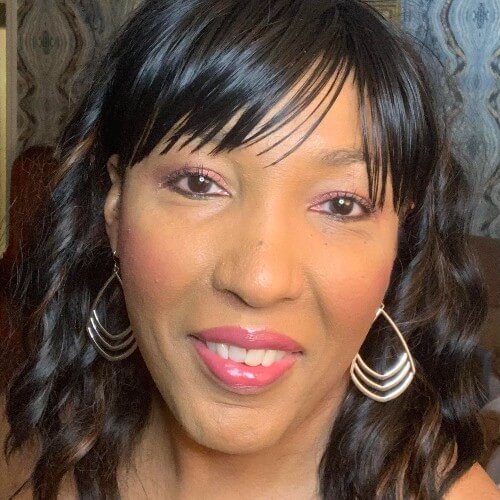
Zena Crenshaw-Logal, JD
Fought to bring the Justice System to the United Nations for Human Rights Violations.
Died suspiciously
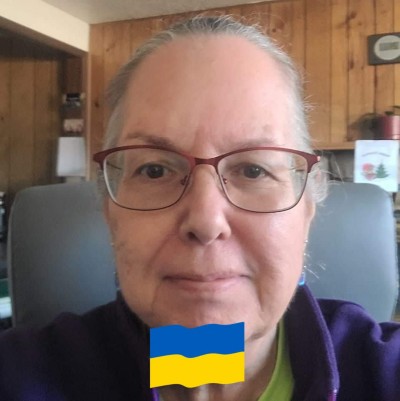
Terri Lewis, PhD
Advocate for pain management

Lisa Edwards
60 y/o dies in police car after being denied at hospital in Tennessee.
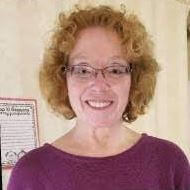
Debbie Nickels Heck, MD
Physician targeted, died from pain
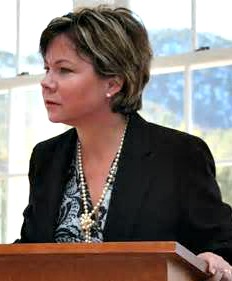
Siobhan Reynolds
Fought the fight for years
Died Dec 2011 by government
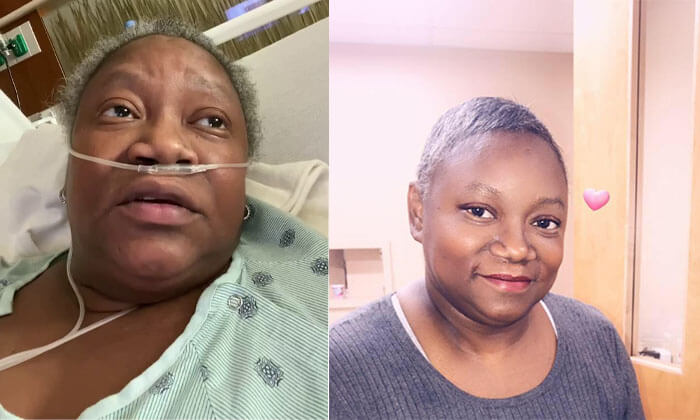
Susan Moore
Doctor in pain discriminated against by hospital.

Sandy Good, RN
A nurse at Vanderbilt University, she’d injured her back doing her job. She died 6yrs ago from an overdose.
Mission
Free Our Innocent Doctors!
The War on Drugs was a political agenda started in 1904 to make America a world power and to disenfranchise minorities to keep the voting masses a white majority. It is purely racist. No one should be backing this today. You can learn the history by reading the book by David F. Musto, MD: The American Disease, Origins of Narcotic Control. I summarize the facts in this book in my webinar recording that can be found HERE.
The War on Blacks is an effect of this early attempt to disenfranchise blacks. After the Civil War, white leaders looked for ways to keep blacks from voting. Workers at that time, in fields and in factories, were given cocaine to help increase their activity and productivity. So this was used against blacks with propaganda. Opium was propagandized against Orientals. Through this propaganda, Dr. Hamilton Wright, the father of American narcotic laws, achieved the passage of the Harrison Act in 1914.
Every drug used to create the Controlled Substance Act was purely political. And if you just learned from history, we would end this today. Learn more on the Communication Campaign page.
A Word
From Our Founder
After 7 years of fighting this fight, I hope to see people learn what is needed to get the Controlled Substance Act repealed. My goal all along has been to free the innocent and stop the attacks. I hope that my mission can be fulfilled in my lifetime.
My thoughts go to all the innocent parties/advocates that are now deceased who will be sending up praises from heaven: James Graves, MD, Rev. Ronald Myers, MD, Terri Lewis, and more.
– Linda Cheek, MD